Workers' Compensation for remediation contractors
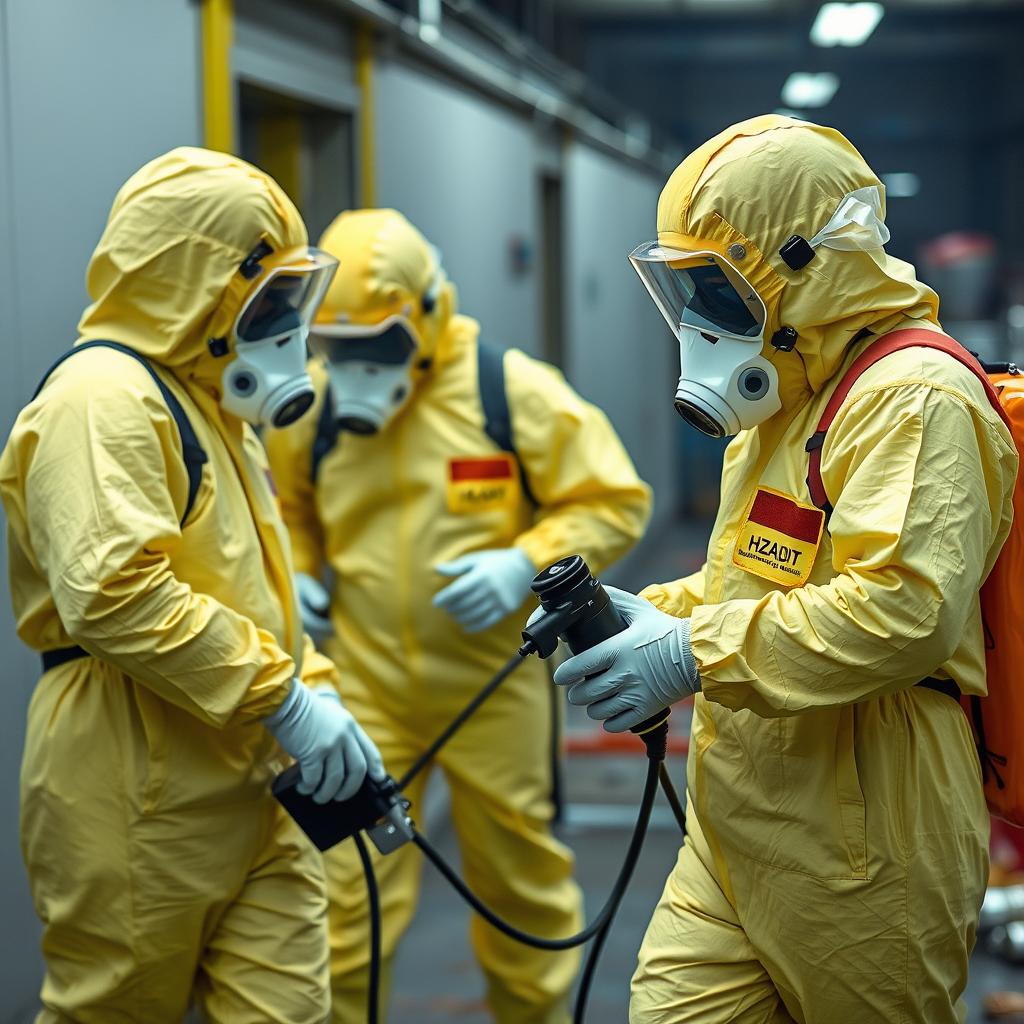
Coverage for the real injury patterns in environmental remediation work — chemical exposure during soil excavation, heat stress in encapsulating suits, confined space entry incidents, air monitoring exposure, and decontamination procedure failures. Proper class codes for HAZWOPER-trained remediation labor.
What it covers
- Medical treatment for on-the-job injuries and occupational exposures
- Disability and lost-wage benefits for injured remediation workers
- Chemical exposure and dermal contact injuries during cleanup operations
- Heat stress and heat illness from Level A/B encapsulating suit work
- Confined space entry injuries and rescue incidents
- Musculoskeletal injuries from excavation and equipment operation
- Employers' liability (Part Two) for third-party over-action claims
Who it's for
- Remediation contractors with W-2 employees (required in most states)
- HAZWOPER-trained hazmat remediation crews
- Soil excavation and backfill crews on contaminated sites
- UST removal crews working with petroleum contamination
- Site supervisors and field technicians conducting air monitoring
Why CCA
- Class code 8868 (Environmental Remediation) applied correctly — not generic contractor codes
- HAZWOPER training documentation factored into underwriting
- High-hazard remediation labor reflected in rating — not generic codes that hide the exposure
- Fast claim handling so injured workers get care without dispute
Common questions about workers' compensation
Class code 8868 (Environmental Remediation) is the primary code for workers conducting soil cleanup, hazmat work, UST removal, and similar activities. Additional codes may apply for field supervisors, equipment operators, and drivers. Correct classification matters — wrong codes create premium errors and coverage gaps at audit.
It affects underwriting and pricing. Carriers want to see documented HAZWOPER training for workers at contaminated sites — 40-hour initial training for new workers, annual 8-hour refresher for experienced workers. Documented training demonstrates risk management and supports coverage and pricing.
Yes — occupational chemical exposure injuries, including dermal contact, inhalation, and ingestion of contaminants during remediation work, are covered workers' comp claims. Air monitoring records and PPE protocols are relevant to claim investigation.
Confined space entry (utility vaults, tanks, excavations greater than 4 feet) creates elevated injury risk requiring permit-required confined space procedures under OSHA 29 CFR 1910.146. Injuries during confined space entry are covered workers' comp claims. OSHA compliance documentation is important for underwriting.
Level A and B encapsulating suits prevent body heat dissipation and create significant heat illness risk. Heat stress injuries and heat illness during remediation work are covered workers' comp claims. Documented heat stress management plans are important for underwriting and claim defense.
Cost is driven by project types, annual revenue, crew size, states you work in, CPL limits required, and loss history. We quote your actual operation in about 15 minutes — never a ballpark from a generic contractor form.
Yes. Contractors Choice Agency is licensed in all 50 states and writes remediation programs nationwide — Texas, California, the Northeast, Midwest, Mountain States, and everywhere environmental remediation contractors operate.
Typically 15 minutes on a call. Larger or more complex programs may take a day or two to place with the right markets, but we move fast and set expectations up front.
Often yes. We have admitted and E&S environmental markets for contractors declined over prior contamination losses, regulatory actions, or high-hazard project types. Bring us your situation and we'll find a market.
Usually yes. A coordinated program closes gaps between policies and is typically cheaper than separate policies from separate carriers — and far easier to manage at claim time and certificate issuance.
A.M. Best ratings reflect a carrier's financial strength and ability to pay claims. We place coverage with A-rated (and A+ where possible) carriers so the coverage is there when a contamination claim, regulatory action, or Superfund cost recovery hits.
Yes. Superfund NCP projects have specific CPL, GL, and umbrella requirements. We work with specialty environmental markets that understand CERCLA contractor risk and can meet the specific limit and coverage requirements of NCP contracts.
Project types (soil cleanup, UST removal, hazmat, brownfield), annual revenue, crew size and HAZWOPER training status, states you work in, vehicles, current coverage and CPL retroactive date, and loss history. The more detail, the more accurate the quote.
Your CPL and GL cover your own operations. Subcontractors should carry their own CPL and GL — and your contract should require it. We help structure blanket additional insured requirements and review subcontractor coverage requirements for your projects.
Yes. If you design remedial action plans, conduct Phase I or Phase II assessments, provide remediation consulting, or give technical recommendations, professional liability (E&O) covers errors in those services. It's separate from CPL and GL.
Occurrence CPL covers incidents that occur during the policy period, regardless of when the claim is made. Claims-made CPL covers claims made during the policy period for incidents that occurred after the retroactive date. Most CPL is written on a claims-made basis. The retroactive date selection is critical.
Yes. If you work on multiple sites simultaneously, use subcontractors, or need blanket additional insured for PRPs and property owners, we build one coordinated program covering all locations and projects with no gaps.
Commercial umbrella sits above your GL, CPL, and commercial auto policies — providing excess limits when a primary policy limit is exhausted. Many Superfund NCP contracts and government environmental remediation agreements require combined limits that need an umbrella to achieve.
Yes. We understand the specific COI requirements for remediation contracts — additional insured endorsements, waiver of subrogation, specific limit requirements, and CPL endorsements. We issue certificates quickly and correctly.
Pair it with related coverage
Ready to protect your remediation operation?
Get a 15-minute quote from specialists who understand environmental remediation — contractor pollution liability, CERCLA exposure, Superfund contracts, and hazmat workers' comp.